


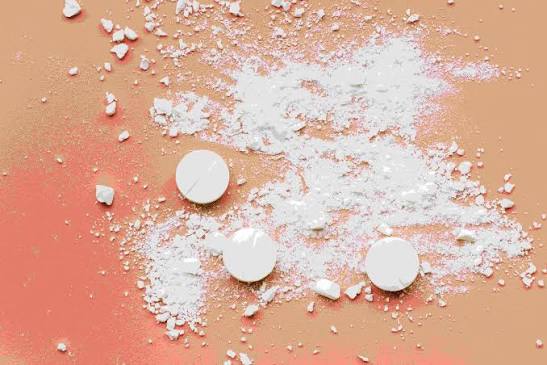
The term “China White” has been used for decades in discussions about illicit opioids. Although it is often associated with heroin, the expression does not always refer to one specific chemical substance. Its meaning can vary depending on location, time period, and the people using the term.
Understanding this terminology is important because assumptions about the identity or strength of an illicit opioid can have serious consequences. A substance that looks like white powder cannot be reliably identified by appearance alone, and products sold under the same informal name may have very different compositions. People researching yellow cocaine should understand that unusual coloration can have several explanations and cannot reliably identify the substance.
What Does “China White” Mean?
“China White” is a street term historically used to describe a white or off-white powder associated with heroin. The name has sometimes been connected with high-purity heroin, but this association should not be interpreted as a reliable indicator of chemical purity.
In some contexts, the term has also been used for other synthetic opioids or mixtures. This is one reason why relying on the name “China White” to identify a substance can be dangerous.
Unlike standardized pharmaceutical names, street terminology does not provide a precise chemical definition.
Why the Term Can Be Misleading
One of the biggest misconceptions surrounding China White is that the name automatically identifies the substance’s contents.
In reality, illicit drugs can be mislabeled, intentionally misrepresented, or contaminated. Two samples carrying the same street name may contain completely different substances.
The appearance of a white powder also provides very little useful information. Color and texture cannot establish: Readers researching china white heroin should be aware that street terminology can be inconsistent and may refer to different substances in different contexts.
- Chemical identity
- Purity
- Potency
- Presence of synthetic opioids
- Presence of other contaminants
- Appropriate dosage
Consequently, someone should never assume that a substance is safe or predictable because it resembles a product historically described as China White.
Heroin and Synthetic Opioids
Heroin is an opioid derived from morphine and affects the body’s opioid receptors. Synthetic opioids, meanwhile, are substances produced through chemical synthesis. Some synthetic opioids can be substantially more potent than heroin.
Because illicit markets can contain unexpected synthetic opioids, a person who believes they are encountering heroin may unknowingly be exposed to a different substance.
This unpredictability is one of the major dangers associated with illicit opioid use.
Health Effects of Heroin
Heroin can produce powerful effects on the central nervous system. It can cause relaxation and euphoria, but it also carries a substantial risk of dependence, overdose, and other serious health consequences.
Potential effects include:
- Drowsiness and reduced alertness
- Slowed breathing
- Nausea and vomiting
- Confusion
- Constipation
- Reduced heart rate
- Physical and psychological dependence
- Tolerance
- Overdose
Repeated exposure can lead to tolerance, meaning that increasing amounts may be needed to produce the same effects. This can significantly increase overdose risk. Readers researching cocaine powder should understand that an illicit substance may contain unknown ingredients or varying concentrations.
Why Opioid Overdose Is Particularly Dangerous
The most serious immediate danger associated with heroin and other potent opioids is respiratory depression. This occurs when breathing becomes dangerously slow or stops.
A person experiencing an opioid overdose may show signs such as:
- Very slow, shallow, or stopped breathing
- Inability to wake up
- Extreme sleepiness
- Pinpoint pupils
- Pale, blue, or grayish skin or lips
- Gurgling or unusual breathing sounds
An overdose is a medical emergency. Emergency services should be contacted immediately when an opioid overdose is suspected.
The Risk of Unknown Contamination
Illicit drug supplies can contain substances that users did not expect. This is particularly concerning with opioids because certain synthetic opioids can be extremely potent. People researching flake cocaine should recognize that a flaky or crystalline appearance cannot confirm purity or potency.
Contamination can also make the effects of a substance unpredictable. Someone may believe they know what they are taking while actually being exposed to a different opioid or combination of substances.
This is why street names, packaging, color, and claims made by sellers should not be treated as reliable evidence of a drug’s contents. Searches for buy cocaine online may lead users toward websites or accounts making unverified claims about substances, purity, availability, or safety.
China White Does Not Mean “Pure”
Another common misconception is that the term China White indicates exceptionally high purity.
There is no reliable basis for determining purity from this street name. A white powder may contain heroin, another opioid, multiple substances, or contaminants.
Similarly, a darker or differently colored substance should not automatically be assumed to be weaker or safer.
Chemical analysis, rather than visual appearance or informal terminology, is required to establish what a substance actually contains.
Dependence and Addiction
Opioids can produce both physical dependence and substance-use disorder. Dependence means that the body adapts to repeated exposure, potentially causing withdrawal symptoms when use is reduced or stopped.
Withdrawal can involve:
- Muscle and body aches
- Restlessness
- Sweating
- Runny nose
- Abdominal discomfort
- Diarrhea
- Anxiety
- Sleep difficulties
- Strong cravings
Opioid dependence is a medical condition that can be treated. Evidence-based treatments, including medications for opioid use disorder, can substantially reduce overdose risk and support recovery. Readers researching Peruvian Cocaine should distinguish traditional coca-related practices from the illicit production and trafficking of cocaine.
Understanding the Language Around Illicit Opioids
Terms such as “China White” demonstrate why terminology surrounding illicit drugs can be confusing. Street names are not scientific classifications, and their meanings can change over time and between communities.
Rather than assuming that a street name identifies a particular substance, it is safer to recognize that the actual contents may be unknown.
This is especially important with opioids because unexpectedly potent substances can cause life-threatening respiratory depression.
What to Do During a Suspected Opioid Overdose
If someone may be experiencing an opioid overdose, treat the situation as an emergency. Call local emergency medical services immediately.
Naloxone, an opioid overdose reversal medication, can rapidly reverse opioid effects and restore breathing when opioids are responsible for the overdose. If naloxone is available, it should be administered according to its instructions while emergency medical help is being sought.
The person should not be left alone, and emergency responders should be informed that an opioid overdose is suspected.
Conclusion
“China White” is an informal term historically associated with white powdered heroin, but it does not reliably identify a particular chemical substance. In some contexts, the term has also been used for synthetic opioids or other illicit substances.
The most important misconception to avoid is assuming that a street name, white appearance, or claim of purity tells you what a substance contains. Illicit opioids can be unpredictable and may carry a serious risk of dependence, respiratory depression, and fatal overdose.
